
Before embarking on any renovation or cleaning project, it is crucial to take a step back and evaluate the current state of your patio. This initial assessment will help you identify specific areas that require attention and prioritize your efforts accordingly. Look for signs of wear and tear, such as cracks in the surface, fading colors, or loose tiles.
Pay close attention to the overall functionality of the space; consider whether it meets your needs for entertaining, relaxation, or family gatherings. Additionally, take note of any structural issues that may need addressing. For instance, if your patio is made of wood, check for rotting boards or loose railings.
If it’s made of stone or concrete, inspect for uneven surfaces that could pose a tripping hazard. This thorough evaluation will not only guide your cleaning and restoration efforts but also help you envision how you want the space to look and feel once the work is complete. You can find the exact location of Goliath Softwash by visiting the
With the clutter removed, it’s time to give your patio a thorough sweeping and washing. Begin by using a broom or a leaf blower to remove loose dirt, dust, and debris from the surface. Pay special attention to corners and edges where dirt tends to accumulate.
A clean surface is essential for any subsequent cleaning steps and will make a noticeable difference in the overall appearance of your patio. After sweeping, proceed to wash the surface with water and a mild detergent. Depending on the material of your patio—be it concrete, stone, or wood—use an appropriate cleaning solution that won’t cause damage.
For concrete patios, a mixture of water and dish soap can work wonders. Use a scrub brush or mop to apply the solution evenly across the surface, ensuring that you reach all areas. Rinse thoroughly with clean water to remove any soap residue.
This step not only enhances the visual appeal but also prepares the surface for deeper cleaning methods if necessary.
Use a pressure washer for a deeper clean
For patios that have not been cleaned in a while or have stubborn grime that regular washing cannot remove, employing a pressure washer can be an effective solution. Pressure washing utilizes high-pressure water jets to dislodge dirt, mold, mildew, and other contaminants from surfaces. Before using a pressure washer, ensure that you are familiar with its operation and safety precautions; improper use can damage surfaces or cause injury.
When pressure washing your patio, start at one end and work your way systematically across the area. Maintain a consistent distance from the surface to avoid causing damage; typically, a distance of 12 to 18 inches is recommended for most materials. Adjust the nozzle settings based on the type of surface you are cleaning; for instance, a wider spray pattern is suitable for concrete, while a narrower one may be needed for more delicate surfaces like wood.
After pressure washing, allow the patio to dry completely before moving on to any further restoration steps.
Remove any stubborn stains or discoloration
Even after thorough cleaning, some patios may still exhibit stubborn stains or discoloration that detracts from their overall appearance. Common culprits include oil stains from grills, rust marks from metal furniture, or organic stains from leaves and plant matter. To tackle these issues effectively, it’s important to identify the type of stain you are dealing with and choose an appropriate removal method.
For oil stains, applying a mixture of baking soda and water can be effective; sprinkle it over the stain and let it sit for several hours before scrubbing with a brush and rinsing off. Rust stains can often be treated with commercial rust removers or a paste made from lemon juice and salt. Organic stains may respond well to a solution of vinegar and water; apply it directly to the stain and scrub gently before rinsing.
In cases where stains persist despite your best efforts, consider consulting with a professional cleaning service that specializes in outdoor surfaces.
Repair any cracks or damage to the patio surface
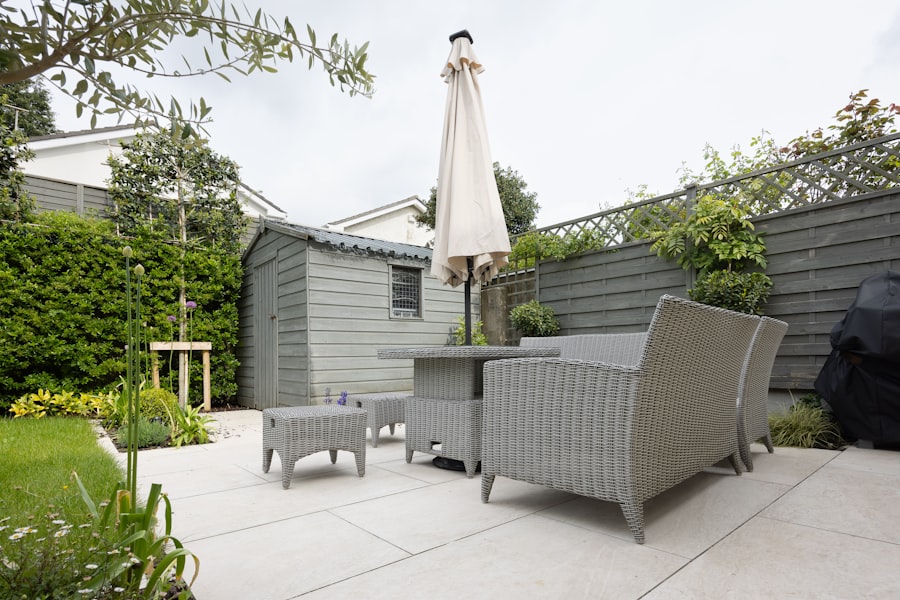
Once your patio is clean and free from stains, it’s time to address any cracks or damage that may have been revealed during your initial assessment. Cracks in concrete or stone patios can worsen over time if left untreated, leading to more significant structural issues down the line. For small cracks, a concrete patching compound can be used; simply follow the manufacturer’s instructions for application.
For larger cracks or more extensive damage, it may be necessary to consult with a professional contractor who specializes in patio repairs. They can assess the extent of the damage and recommend appropriate solutions, which may include resurfacing or even replacing sections of the patio. Addressing these issues promptly not only enhances safety but also contributes to the longevity of your outdoor space.
Add fresh plants and greenery to liven up the space
One of the most effective ways to breathe new life into your patio is by incorporating fresh plants and greenery. Plants not only enhance the aesthetic appeal but also create a more inviting atmosphere for relaxation and socializing. Consider adding potted plants, hanging baskets, or even vertical gardens depending on your available space and personal style.
When selecting plants, think about factors such as sunlight exposure, climate conditions, and maintenance requirements. For sunny patios, vibrant flowers like petunias or geraniums can add pops of color, while shade-loving plants like ferns or hostas work well in less sunny areas. Additionally, incorporating herbs such as basil or rosemary can provide both beauty and functionality if you enjoy cooking with fresh ingredients.
Strategically placing plants around seating areas can create natural privacy screens while enhancing the overall ambiance.
Update your patio furniture and accessories
As you revitalize your patio space, consider updating your furniture and accessories to complement your newly cleaned and repaired surfaces. Over time, outdoor furniture can become worn or outdated; investing in new pieces can significantly enhance both comfort and style. Look for weather-resistant materials such as aluminum, teak, or synthetic wicker that can withstand outdoor conditions while providing durability.
In addition to furniture updates, consider adding accessories such as cushions, throws, outdoor rugs, and decorative pillows that reflect your personal style and create a cozy atmosphere. These elements not only enhance comfort but also allow you to introduce color and texture into your outdoor space. When selecting accessories, opt for materials that are easy to clean and maintain so that they continue to look fresh throughout the seasons.
Consider adding a fresh coat of paint or stain to the patio surface
If your patio surface appears dull or faded after cleaning and repairs, applying a fresh coat of paint or stain can rejuvenate its appearance dramatically. For wooden patios, staining not only enhances color but also provides protection against moisture and UV rays. Choose a high-quality exterior stain that suits your desired finish—whether transparent for a natural look or solid for more color coverage.
For concrete patios, specialized concrete paint can provide an attractive finish while protecting against wear and tear. Before applying paint or stain, ensure that the surface is completely dry and free from dust or debris. Follow manufacturer instructions carefully regarding application techniques and drying times for optimal results.
A fresh coat can transform your patio into an inviting space that feels brand new.
Install new lighting to create a welcoming atmosphere
Lighting plays a crucial role in setting the mood for any outdoor space, especially during evening gatherings or quiet nights under the stars. Installing new lighting fixtures can enhance both functionality and ambiance on your patio. Consider options such as string lights for a whimsical touch, lanterns for soft illumination, or wall-mounted sconces for more permanent fixtures.
When planning your lighting layout, think about areas where you want to create focal points—such as seating areas or pathways—and choose lighting that complements those spaces effectively. Solar-powered lights are an eco-friendly option that requires minimal installation while providing adequate illumination without increasing energy costs. Additionally, incorporating dimmable lights allows you to adjust brightness levels based on different occasions.
Regular maintenance to keep your patio looking new
After investing time and effort into revitalizing your patio space, establishing a regular maintenance routine is essential for keeping it looking fresh year-round. This includes routine cleaning—such as sweeping away debris weekly—and periodic deep cleaning every few months using methods like pressure washing or scrubbing with appropriate cleaners. Additionally, inspect your patio regularly for signs of wear or damage so that you can address issues promptly before they escalate into larger problems.
Seasonal maintenance tasks may include reapplying sealants on wooden surfaces or checking lighting fixtures for functionality after winter months. By committing to regular upkeep, you’ll ensure that your patio remains an inviting oasis for relaxation and entertainment for years to come.
If you’re looking to rejuvenate your patio, you might find it helpful to read about the importance of preparing your home for pressure washing services. This can ensure that your outdoor space is not only clean but also well-maintained. For more information, check out this article on how to prepare your home for pressure washing service.
FAQs
How can I clean my patio to make it look new again?
To clean your patio, start by removing any furniture and debris. Sweep the surface thoroughly, then use a pressure washer or a garden hose with a scrub brush and a mild detergent to remove dirt, stains, and algae. Rinse well and allow it to dry completely.
What are some effective ways to remove stains from patio surfaces?
Common stains like oil, rust, or mildew can be treated with specific cleaners. For oil stains, use a degreaser or baking soda paste. Rust stains may require a commercial rust remover. Mildew can be cleaned with a mixture of water and bleach (1:10 ratio). Always test cleaners on a small area first.
Should I seal my patio after cleaning it?
Yes, sealing your patio after cleaning helps protect it from stains, weather damage, and fading. Choose a sealant appropriate for your patio material (concrete, stone, brick, etc.) and follow the manufacturer’s instructions for application.
How often should I maintain my patio to keep it looking new?
Regular maintenance includes sweeping weekly, cleaning spills promptly, and washing the surface every few months. Sealing should be done every 1-3 years depending on the sealant type and weather exposure.
Can I change the look of my patio without replacing the surface?
Yes, you can refresh your patio by painting or staining concrete, adding outdoor rugs, installing new furniture, or incorporating decorative elements like planters and lighting. These updates can significantly enhance the appearance without major renovations.
What materials are best for a durable and easy-to-maintain patio?
Materials like concrete, brick, natural stone, and pavers are durable and relatively easy to maintain. Each has different cleaning and sealing requirements, so choose based on your climate, budget, and aesthetic preferences.
Is it necessary to repair cracks or damage before making the patio look new?
Yes, repairing cracks, chips, or loose pavers is important to prevent further damage and improve the overall appearance. Use appropriate patching compounds or replace damaged sections before cleaning and sealing.
How can landscaping improve the appearance of my patio?
Adding plants, flowers, and shrubs around your patio can create a more inviting and fresh look. Consider using raised beds, container gardens, or trellises to add greenery and color, enhancing the overall ambiance.